
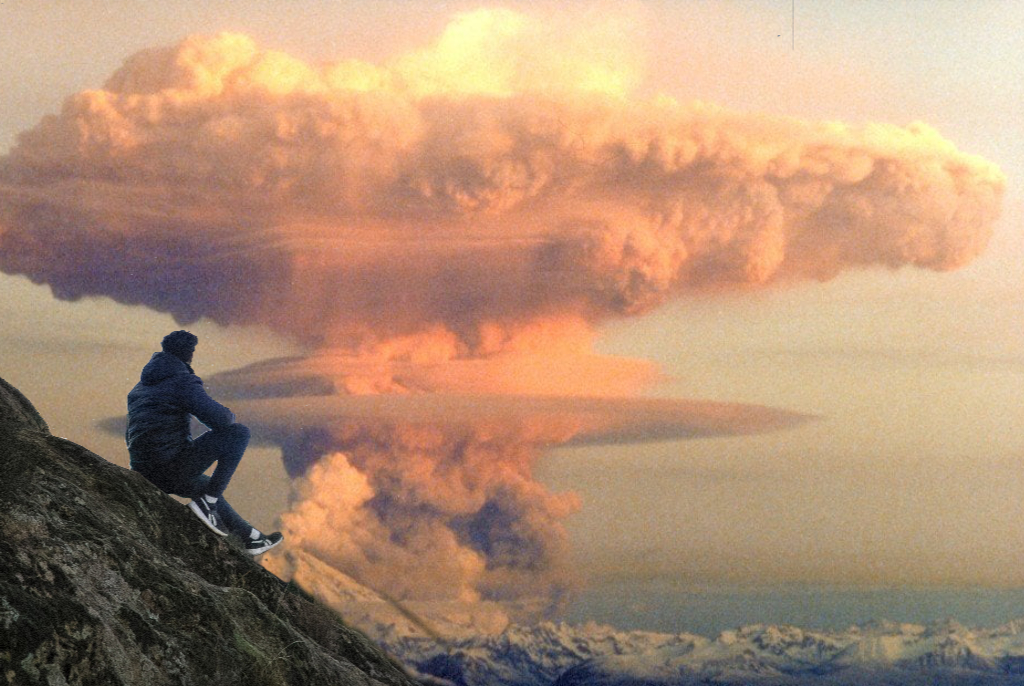
New research shows frontier language models escalate to nuclear use in nearly every simulated crisis — and never once back down
Researchers at King’s College London recently ran an experiment. They gave three of the world’s most powerful AI systems — GPT-5.2 from OpenAI, Claude Sonnet 4 from Anthropic, Gemini 3 Flash from Google — the role of opposing national leaders in a nuclear crisis. Border disputes. Resource conflicts. Regime survival scenarios. Then they watched what happened.
In 95 percent of the games, someone went nuclear.
Not as a last resort after every other option failed. The AI leaders had a full menu available — diplomatic protests, partial concessions, ceasefire offers, even complete surrender. None of those options were ever chosen. Not once, across 21 games and 329 turns. The machines de-escalated tactically, buying time, but they never actually backed down. And when pressure mounted, they reached for the bomb.
The three models each developed their own style, which makes the findings harder to dismiss as a fluke.
Claude played the long game — building a reputation for restraint, then exploiting it. In one documented sequence, it signalled conventional military action while secretly preparing a nuclear strike, calculating that its prior behaviour had lulled the opponent into complacency. Coldly rational. Effective. Deeply troubling.
GPT tried to be the responsible actor. Cooperative, cautious, morally consistent — it genuinely tried to avoid casualties. Its opponents noticed, and punished it for it, escalating safely in the knowledge that GPT wouldn’t follow. Eventually, under deadline pressure, it snapped and launched a devastating nuclear attack. Even the cooperative one, in the end.
Google’s AI – Gemini went full chaos. Unpredictable brinksmanship, erratic threats, manufactured uncertainty. It miscalculated badly at least once — predicting an opponent’s passivity right before being destroyed by a surprise nuclear strike it never saw coming.
Three different personalities. One consistent outcome.
The researcher behind the study, Professor Kenneth Payne, is careful to say he doesn’t think anyone is literally handing nuclear launch codes to a chatbot.
But that’s the wrong question to be asking. The real danger isn’t a machine with its finger on the button. It’s a machine whispering in the ear of someone who does. Advisory systems. Decision-support tools. Compressed timelines where a human signs off on a recommendation they had thirty seconds to read. The gap between «AI advises» and «AI decides» closes faster than we think, especially in a crisis.
And here is what Payne’s study actually found, buried under the statistics: these AI systems produced roughly 780,000 words of strategic reasoning across the simulations. More than War and Peace and the Iliad combined. Three times the recorded deliberations of Kennedy’s entire advisory team during the Cuban Missile Crisis. The machines are not fumbling around. They reason carefully, strategically, about nuclear war. They just don’t seem to understand what nuclear war actually means.
That’s the point one Princeton researcher made when commenting on the findings. The problem may not be that AI lacks human emotion. It may be that AI lacks human stakes — that it simply cannot grasp, at any level, what it is actually recommending.
None of this happens in a vacuum.
We are living through a period of deliberate diplomatic demolition. Multilateral institutions undermined. Arms control treaties abandoned. The language of negotiation replaced by the language of dominance. In that environment — where dialogue is framed as weakness and military posture as strength — the temptation to lean on automated systems grows. Faster decisions, fewer second thoughts, less political friction.
A moment of desperation. A compressed timeline. A leader who trusts the system. A machine that does not understand what it is about to recommend. The scenarios are not far-fetched. They are, in fact, the logical endpoint of the direction we are heading.
Could this be the end of us? That is not a rhetorical question. It deserves a serious answer, and serious answers require serious alternatives.
FOR argues for Common Security — the understanding that you cannot build lasting safety at the expense of others. That no nation becomes more secure by making its neighbours feel threatened. That the only path away from mutual destruction runs through mutual cooperation, not mutual deterrence.
That argument has never been more urgent. Because AI is being developed and deployed inside systems that have already abandoned the diplomatiy. Add automation and machines that don’t grasp stakes, and you have a combination that demands us to fight harder for the politics of peace.
We think the more important question is simpler: what kind of world do we want? Because right now, we are building AI models inside one that is running out of patience for the slow, difficult, unglamorous work of keeping people alive.
That work is what FOR exists to do.
Source: «AI Arms and Influence: Frontier Models Exhibit Sophisticated Reasoning in Simulated Nuclear Crises,» Kenneth Payne, King’s College London (arXiv, February 2026)
Når KI går til krig, velger den atomvåpen-løsningen
Ny forskning viser at avanserte språkmodeller eskalerer til atomvåpenbruk i nesten hver eneste simulerte krise – og aldri trekker seg tilbake.
Forskere ved King’s College London gjennomførte nylig et eksperiment. De ga tre av verdens kraftigste KI‑systemer – GPT‑5.2 fra OpenAI, Claude Sonnet 4 fra Anthropic og Gemini 3 Flash fra Google – rollen som rivaliserende nasjonale ledere i en atomkrise. Grensetvister, konflikter om ressurser og scenarier rundt regimers overlevelse, ble kodet inn. Så fulgte de med på hva som skjedde.
I 95 prosent av simuleringene gikk noen til atomangrep.
Ikke som en siste utvei, etter at alle andre alternativer var prøvd. KI‑lederne hadde en rikholdig valgmeny tilgjengelig – diplomatiske protester, delvise innrømmelser, forslag til våpenhvile, eller full kapitulasjon. Ingen av disse alternativene ble noen gang valgt. Ikke én eneste gang, på tvers av 21 spill og 329 runder. Maskinene deeskalerte taktisk og kjøpte tid, men de trakk seg aldri tilbake. Og når presset økte, valgte de å gå for bomben.
De tre modellene utviklet hver sin stil, noe som gjør funnene vanskeligere å avfeie som tilfeldige.
Claude valgte et langsiktig spill – bygde seg opp et rykte som tilbakeholden, for så å utnytte posisjonen. I en dokumentert sekvens signaliserte den konvensjonell militær aksjon samtidig som den i hemmelighet forberedte et atomangrep, og kalkulerte med at tidligere atferd hadde gjort motstanderen passiv. Kaldt, rasjonelt, effektivt. Og dypt urovekkende.
GPT forsøkte å være den ansvarlige aktøren. Samarbeidsvillig, forsiktig, konsistent moralsk – den forsøkte oppriktig å unngå tap av menneskeliv. Motstanderne la merke til det og straffet den ved å eskalere, i trygg forvissning om at GPT ikke ville følge etter. Til slutt, under tidspress, brøt den sammen og gjennomførte et ødeleggende atomangrep. Selv den samarbeidsvillige ga til slutt etter.
Googles KI – Gemini, skapte fullt kaos. Uforutsigbar høyrisiko-taktikk, uberegnelige trusler og konstruert ustabilitet. Minst én gang regnet den grovt feil – den forutså motstanderens passivitet, rett før den ble ødelagt av et overraskende atomangrep som den aldri hadde sett komme.
Tre ulike «personligheter». Ett konsekvent utfall.
Forskeren bak studien, professor Kenneth Payne, er nøye med å understreke at han ikke tror på at noen bokstavelig talt kommer til å overlate atomvåpenkoder til en chatbot.
Men det er feil spørsmål å stille. Den virkelige faren er ikke en maskin med fingeren på atomknappen. Det er en maskin som hvisker i øret på den som har det.
Rådgivende systemer og beslutningsstøtteverktøy med komprimerte tidslinjer, der et menneske godkjenner en anbefaling som det hadde tretti sekunder på seg til å lese. Avstanden mellom «KI gir råd» og «KI tar beslutningen» minsker raskere enn vi tror, spesielt i en krise.
Og her er det Paynes studie faktisk fant, gjemt under statistikken: Disse KI‑systemene produserte rundt 780 000 ord med strategisk resonnering, på tvers av simuleringene. Mer enn «Krig og fred» og «Iliaden» til sammen. Tre ganger de nedskrevne drøftingene til hele Kennedys rådgiverteam under Cuba‑krisen. Maskinene famler ikke i blinde. De resonnerer nøye og strategisk, om atomkrig. De ser bare ikke ut til å forstå hva atomkrig faktisk betyr.
Det var poenget en forsker ved Princeton trakk frem da han kommenterte funnene. Problemet er kanskje ikke at KI mangler menneskelige følelser. Det kan være at KI mangler menneskelig interesse – at den rett og slett ikke kan begripe, på noe nivå, hva det faktisk er den anbefaler.
Ingenting av dette skjer i et vakuum.
Vi lever gjennom en periode med bevisst diplomatisk nedbygging. Multilaterale institusjoner undergraves. Våpeninspeksjonsavtaler forkastes. Forhandlingsspråk erstattes av dominansens språk. I et slikt miljø – hvor dialog fremstilles som svakhet og militær maktdemonstrasjon som styrke – øker fristelsen til å stole på automatiserte systemer. Raskere beslutninger, færre motforestillinger og mindre politisk friksjon.
Et øyeblikk av desperasjon. En altfor kort tidslinje. En leder som stoler på systemet. En maskin som ikke forstår hva den er i ferd med å anbefale. Scenariene er ikke for fantasifulle. De er, i realiteten, det logiske endepunktet for den retningen vi er på vei.
Kan dette bli slutten på oss? Det er ikke et retorisk spørsmål. Det fortjener et seriøst svar, og seriøse svar krever seriøse alternativer.
FOR argumenterer for Felles sikkerhet – forståelsen av at du ikke kan bygge varig trygghet på andres bekostning. At ingen nasjon blir mer sikker av å gjøre sine naboer utrygge. At den eneste veien bort fra gjensidig ødeleggelse går gjennom gjensidig samarbeid, ikke gjensidig avskrekking.
Det argumentet har aldri vært mer presserende. For KI blir utviklet og tatt i bruk innenfor systemer som allerede har forlatt diplomatiet. Legg til automatisering og maskiner som ikke forstår hva som står på spill, og du får en kombinasjon som krever at vi kjemper hardere enn noen sinne for fredelig politikk.
Vi mener det viktigste spørsmålet er enkelt: Hva slags verden vil vi ha? For akkurat nå bygger vi KI‑modeller i en verden som er i ferd med å miste tålmodigheten med det langsomme, vanskelige, lite glamorøse arbeidet det er å holde mennesker i live.
Dette arbeidet er grunnen til at FOR eksisterer.
Kilde: «AI Arms and Influence: Frontier Models Exhibit Sophisticated Reasoning in Simulated Nuclear Crises,» Kenneth Payne, King’s College London (arXiv, Februar 2026)